The Complete Guide to Short-Form Video: TikTok, Reels, Shorts & LinkedIn (2026)
If you’re still treating short-form video as optional in your content strategy, it’s time for a wake-up call: you’re leaving massive reach on the table.
TikTok, Instagram Reels, and YouTube Shorts aren’t just trending—they’re dominating how people consume content, and platforms are rewarding creators who embrace this format with unprecedented algorithmic reach. But here’s where most people get stuck: they know they should be creating short-form video, but they don’t know where to start.
The equipment feels overwhelming, the editing seems complicated, and the pressure to go viral is paralyzing.
The truth? You don’t need expensive gear, a film degree, or millions of followers to create scroll-stopping short-form content that builds your audience and drives real business results. What you do need is a systematic approach to planning, filming, and editing videos that hook viewers in the first three seconds and keep them watching until the end.
In this comprehensive guide, I’m covering everything from pre-production planning and filming techniques to editing workflows, content formats that consistently perform, hook formulas that stop the scroll, and posting strategies that maximize your reach.
Whether you’re brand new to video or you’ve been posting inconsistently with disappointing results, this guide will give you a complete framework for creating short-form content that actually converts.
Let’s get into it!
Prefer to watch instead of read? I have a YouTube video on the same topic that you can stream now!
Understanding Short-Form Video Platforms
Short-form video is dominating social media, and I honestly believe you shouldn’t bother posting on social media if you don’t post videos—because you’re missing out on MASSIVE reach.
TikTok pioneered the format, Instagram followed with Reels, YouTube launched Shorts, and even LinkedIn is experimenting with vertical video. The algorithms love short-form video because it keeps people on the platform longer.
Attention spans are shrinking—or, rather, people’s tolerance for boring content is shrinking. You only have 3 seconds to hook someone before they scroll past.
Short-form video is about quick wins, entertainment, and shareability. Long-form video is about depth, authority, and longer watch time. Both have their place, but they require different approaches.
Pre-Production Planning
Great short-form video starts with a great concept. Trending sounds can give you a boost, but original audio can help you stand out and become searchable. The best strategy? Mix both.
Every video needs a story arc, even if it’s only 15 seconds long. Hook them in the first 3 seconds, deliver value or entertainment in the middle, and end with a payoff or CTA.
Pattern interrupts and curiosity gaps are your best friends. Start with something unexpected. Ask a question. Show a shocking result. Create a visual surprise. Anything that makes someone stop mid-scroll.
Pacing matters. If your video drags, people leave. Use jump cuts, speed up slow parts, and keep the energy high. Watch your favourite creators and notice how they never let momentum drop.
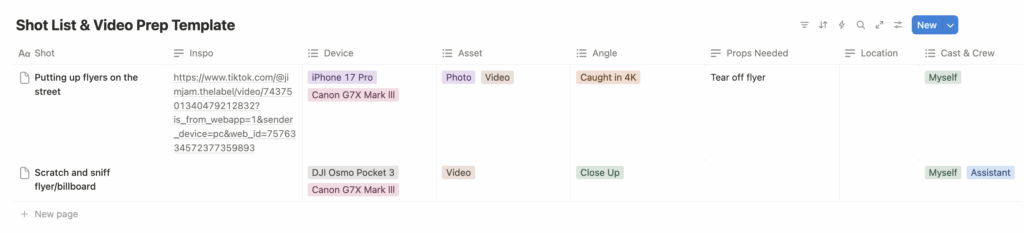
Storyboarding isn’t overkill for short-form—it’s smart. Plan your shots, transitions, and cuts before you hit record. List out what B-roll you need. Scout your locations and gather props. This pre-work saves MASSIVE time in editing.
That’s why I added all this into my content hub, so content creation would be so much easier.
You can grab the Content Creator Mini Course, Hub, & Idea Vault here >>>
Filming Techniques
Your equipment doesn’t need to be expensive, but you do need the basics right.
Smartphone settings matter.
Shoot in 4K if your phone allows it (better quality even if you export in 1080p). Use 60fps for smooth motion or 24fps for a more cinematic look. Turn on stabilization to reduce shakiness.
Tripods keep your shots steady. Gimbals add smooth, professional movement. Both are worth the investment.
Audio is often more important than video quality. People will tolerate mediocre video but will immediately scroll past bad audio. Get a mic that clips onto your shirt for clear speaking audio. Shotgun mics mount on your phone for directional sound. Wireless mics give you freedom to move.
And your lighting setups don’t need to be complex. A ring light is great for talking head videos. Natural window light is always beautiful. And a multicoloured tube light can add more dimension in the background. Though, I’d say to avoid overhead lighting, it can create unflattering shadows.
Here are my lighting recommendations >>>
Camera techniques elevate your content.
Always shoot vertical (9:16 ratio) for TikTok, Reels, and Shorts. Frame yourself in the upper two-thirds of the screen so text overlays and captions don’t cover your face.
Add movement through camera motion or by moving within the frame. And lean into point-of-view shots—they’re immersive and engaging, because people LOVE “come with me” content.
Editing Short-Form Video
Editing transforms raw footage into engaging content. The tools you choose matter, but your editing choices matter more.
Editing apps
CapCut is my top recommendation—it’s intuitive, packed with features, and free. Though, the paid version gives me so much more, I’d say it’s definitely worth the investment. The transitions are smooth, the effects are professional, and the auto-caption feature is a time-saver. And I love the desktop app for editing my YouTube videos Before CapCut though, I used InShot, which has great speed control and text options. But don’t overlook native platform editors for quick posts—TikTok’s video editor and Instagram Edits are both great.
Editing techniques
Jump cuts remove pauses and keep pacing tight. Text overlays and captions make your content accessible AND increase engagement since 80% of people watch videos on mute. And I love a transitions, visual effects and filters for enhancing the story, but use them intentionally so you don’t wind up distracting from the story.
Sound design
Sync cuts and transitions to music beats and sound effects for a polished feel. Trending sounds can boost reach, but original audio makes you searchable and builds brand recognition.
Finally, your voiceover recording should be clear and energetic—record in a quiet room, speak clearly, and edit out background noise.
Content Formats That Perform
Educational content crushes on every platform. Quick tips and hacks in 30 seconds or less perform incredibly well. “3 ways to…” or listicle formats give clear value. Myth-busting positions you as an authority. And before & after transformations show tangible results and get saves and shares.
Entertaining content is highly shareable. Jump on trends and challenges while they’re hot. Storytelling and narrative arcs create emotional connection. Humour and relatable moments build community. And day-in-the-life POV videos feels authentic.
Engagement-focused content drives comments and shares. Asking people to comment boosts engagement metrics. Series content with “part 1/2/3” creates anticipation and brings people back. Controversial takes or hot takes spark conversation (tread carefully with this though, and stay authentic). And interactive content like duets, stitches, and response videos leverage existing content for maximum reach.
Hook Formulas for Short-Form
Your hook is everything. Once you understand the psychology behind what makes people pause, the proven formulas that work across platforms, and the specific nuances of each social network, you can dramatically increase your engagement and grow your audience. I dive into social media hooks in this blog post, and have a vault of hooks available in my Content Creator Mini Course, Hub, & Idea Vault!
Captions and CTAs
Your caption should complement your video, not repeat it. I suggest using it as an opportunity to add context, ask questions, or share additional insights.
Using 30 hashtags looks spammy now. Research hashtags your target audience follows, and stick to 3-5 highly relevant hashtags, mixing popular and niche ones.
And use CTAs that drive specific actions in every post you can.
- “Comment your thoughts” boosts engagement
- “Share this with someone who needs to hear it” increases reach.
- “Follow for more [content type]” converts viewers to followers
- “Link in bio” drives traffic (though some platforms may suppress this)
Always add captions or auto-captions for accessibility, and edit auto-captions for accuracy—they’re rarely perfect.
Posting Strategy
Consistency matters more than timing, but both play a role. Best times to post vary by platform and audience, so check those out in your own time.
Most importantly, you want to post consistently without burning out. Three times a week beats posting daily for two weeks then disappearing. Quality always trumps quantity.
And analyze your performance religiously. What topics resonate? Which hooks work? What length videos retain attention best? Double down on winning formulas while experimenting with new ideas.
Wrapping It Up
I hope this blog post helped you! If you want to step up your content game in 2026, grab my **Content Creator Mini Course, Hub, & Idea Vault!**
This Notion-based resource has:
- Videos, worksheets, and walkthrough guides on every step of the content creation process
- A swipe file of hooks and storytelling frameworks
- A constantly-updating content & series idea vault for creators and business owners in almost every niche
- A content planner & scheduler template that makes plotting the month of content ahead SUPER easy
- A shot list & video production template that make shooting long-form & short-form content seamless
- Guidance on analyzing and optimizing your content performance
- Canva templates for you to customize your Notion resource
- Immediate access to an exclusive monthly newsletter that delivers content & series ideas, and answers your frequently asked questions about content